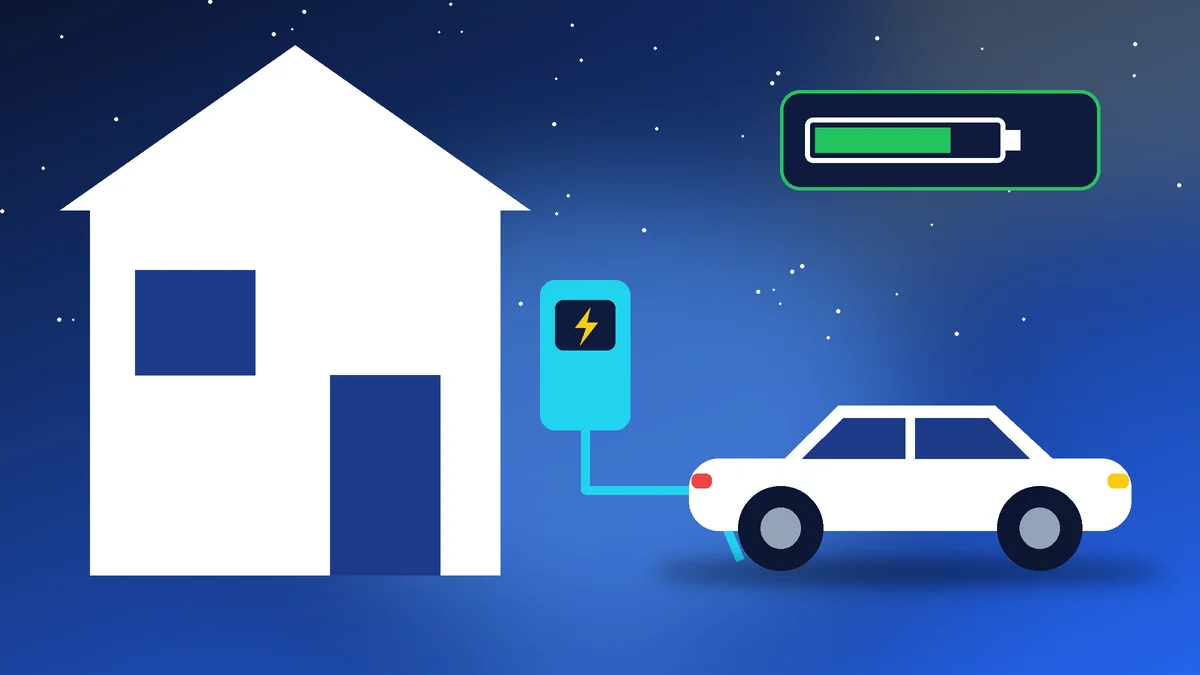
The biggest saving with an electric car comes from one habit: plugging it in overnight. EV Charging at Home is cheaper, more convenient and easier on the battery than relying only on public fast chargers.
But setting it up in India raises real questions. Which charger do you need? Can your home’s wiring handle it? What about apartments? And how much will it add to your electricity bill? This guide answers all of them.
Quick Take
EV Charging at Home in India:
- Two main options: a portable charger on a 15A socket (slow) or a 7kW wall-mounted AC charger (faster)
- Cost per km is usually a fraction of petrol when you pay domestic electricity rates
- Get an electrician to check wiring, earthing and your sanctioned load first
- Apartments need society approval and a dedicated parking spot
- Charging time is roughly battery size ÷ charger power
Table of Contents
Types of EV Charging at Home Chargers
Most EVs sold in India come with a charger, or offer one with installation, but the type matters:
| Charger type | Typical power | Best for |
|---|---|---|
| Portable charger (15A socket) | About 2.5–3.3kW | Smaller batteries, overnight top-ups, occasional use |
| Wall-mounted AC charger | About 7–7.4kW | Daily drivers with larger batteries |
| DC fast charger | Much higher (public stations) | Highway trips; not usually installed at home |
For most people, a 7kW wall charger is the sweet spot for EV charging at home. It can fully charge most mid-size EVs overnight. Your car’s onboard charger limits how fast it can charge on AC, so check its rating before buying a more powerful wall box.
How Long Does Home Charging Take?
A simple estimate:
Charging time (hours) ≈ battery size (kWh) ÷ charger power (kW), plus some extra time for losses and the slower final stage.
| Battery size | 3.3kW charger | 7.2kW charger |
|---|---|---|
| 30kWh | About 9–10 hours | About 4–5 hours |
| 40kWh | About 12–13 hours | About 6 hours |
| 50kWh | About 15–16 hours | About 7–8 hours |
These are approximate figures for a full charge from near empty. In real life, you’ll usually top up from 30–40%, which takes much less time.
How Much Does EV Charging at Home Cost?
Home charging is usually billed at your normal household electricity tariff. Some electricity distribution companies (discoms) also offer special EV tariffs or separate meters, so ask yours.
Use this formula:
Cost of a full charge = battery size (kWh) × your tariff (₹ per kWh), plus roughly 10% for charging losses.
For example, charging a 40kWh battery at an illustrative ₹8 per kWh costs about ₹350 including losses. If that gives you around 280km of real-world range, that’s roughly ₹1.25 per km. Your numbers will depend on your tariff slab and driving.
Compare that with petrol, CNG and hybrids in our guide on petrol vs CNG vs hybrid vs EV.
How to Set Up EV Charging at Home: Step by Step
- Check your sanctioned load. Look at your electricity bill. A 7kW charger plus your AC and geyser may need a higher load; apply to your discom if needed.
- Get a wiring check. A licensed electrician should inspect the wiring, earthing and distribution board.
- Use a dedicated circuit with the right cable thickness, an MCB and an RCD/RCCB for protection against shocks.
- Choose the location. Mount the charger close to your parking spot, sheltered from rain and direct sun.
- Book the installation. Many carmakers and dealers arrange installation through partners. Use them or a qualified installer.
- Test and set up the app. Many wall chargers let you schedule charging and track units used.
Never use cheap extension boards or multi-plug adapters for EV charging at home. An EV draws a high current for hours, and poor wiring can overheat.
EV Charging at Home in an Apartment or Gated Society
If you live in an apartment, you’ll need a few extra steps:
- Get written permission from your housing society or Resident Welfare Association (RWA)
- Confirm your parking spot is allotted to you and close to a power source
- Decide on metering: a line from your own flat’s meter, or a separate meter arranged with the discom
- Ask about shared chargers: some societies install common chargers with per-use billing
Go to your RWA with a clear plan: who installs it, how electricity is billed, and how safety will be ensured. A well-prepared request is much easier to approve.
Tips to Get the Most From Home Charging
- Charge to about 80% for daily use, if your manufacturer recommends it, and to 100% only before long trips
- Schedule charging at night, especially if your discom offers time-of-day tariffs
- Keep the cable tidy and off the ground when not in use
- Consider rooftop solar if you own your house; it can cut charging costs further over time
- Use public fast chargers mainly on highway trips, as regular fast charging costs more
Aadyanix Verdict: Home Charging Makes the EV Worth It
If you can set up EV charging at home, an electric car becomes one of the cheapest ways to drive in India. A 7kW wall charger, safe wiring and an overnight routine are all most owners need.
If you can’t charge at home, think carefully before buying an EV. Relying only on public fast chargers cuts the savings and adds hassle.
EV Charging at Home: Frequently Asked Questions
Can I charge an EV from a normal home socket?
You can use a portable charger on a properly wired 15A socket, if your car supports it. Have an electrician confirm the socket and wiring can handle hours of continuous load.
How much does a home EV charger cost to install?
It depends on the charger and wiring work needed. Many carmakers bundle a charger with the car or offer installation through dealers, so ask before you buy.
Do I need a separate electricity connection for EV charging at home?
Not always. Many owners use their existing connection, sometimes with a higher sanctioned load. Some discoms offer separate EV connections or tariffs; ask yours.
Is it safe to charge an EV overnight?
Yes, with a proper charger, correct wiring, earthing and protection devices. The car and charger manage the charging and stop automatically when full.
Can I install a charger in my apartment parking?
Usually, with your society’s permission and a dedicated parking spot. Discuss metering and safety with your RWA first.
Have a question about EV charging at home? Get in touch and I’ll be happy to help.