
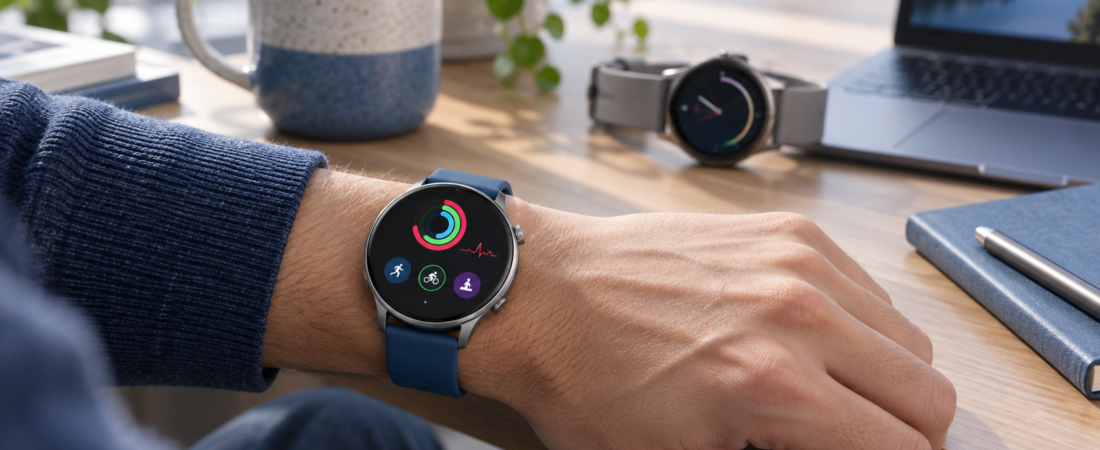
Smartwatches have evolved considerably from the days when their biggest selling point was putting phone notifications on your wrist.
Modern watches can track workouts, monitor sleep, record health metrics, handle calls and messages, provide navigation, make payments and increasingly turn all of that data into personalized insights.
But they can also cost as much as a good smartphone.
So are smartwatches actually worth buying in 2026?
The answer depends on what you expect one to do.
Quick Take
A smartwatch is worth buying if you’ll regularly use its fitness tracking, health insights, notifications, navigation or phone-free conveniences.
It makes considerably less sense if you’re buying one mainly because it looks interesting or because your phone manufacturer wants to complete your ecosystem.
The best reason to buy a smartwatch isn’t that it can do hundreds of things.
It’s that two or three of those things become genuinely useful in your daily routine.
1. Fitness Tracking Remains One of the Best Reasons to Buy One
For many people, fitness is still the strongest smartwatch use case.
Modern watches can track activities such as walking, running, cycling, swimming and strength training while recording metrics including heart rate, pace, distance and workout duration.
More importantly, watches can make activity visible.
Seeing your daily steps, workouts and longer-term trends can encourage consistency in a way that simply carrying a smartphone may not.
You don’t need to be an athlete to benefit.
If a watch encourages you to walk more, exercise regularly or pay greater attention to your activity, it may already be providing meaningful value.
2. Health Features Are Becoming More Sophisticated
Smartwatches increasingly position themselves as health devices.
Depending on the model, features can include:
continuous heart-rate monitoring
ECG
blood-oxygen measurements
sleep tracking
temperature sensing
irregular rhythm notifications
readiness or recovery indicators
The latest generation of wearables is increasingly trying to turn raw measurements into understandable guidance rather than simply displaying numbers.
But there’s an important distinction.
A smartwatch can provide useful information about trends in your body.
It is not a replacement for a doctor or medical-grade diagnostic testing.
Treat health features as additional information rather than definitive diagnoses.
3. Sleep Tracking Can Be Useful — If You Actually Wear the Watch
Sleep tracking sounds excellent until you realize the watch needs to remain on your wrist overnight.
That makes battery life and charging habits particularly important.
A watch that requires charging every night isn’t very useful as a sleep tracker.
Modern watches can estimate sleep duration, sleep stages and other overnight measurements. The real value isn’t obsessing over every night’s score.
It’s noticing patterns.
Does your sleep improve when you exercise?
Are you consistently sleeping too little?
Does your schedule affect your recovery?
Those longer-term trends can be more useful than any individual score.
4. Notifications Can Be Convenient — Or Annoying
Having notifications on your wrist can save time.
You can glance at an incoming message without taking out your phone.
You can see whether a call matters.
You can check calendar reminders or navigation instructions quickly.
But enabling every notification creates the opposite result.
Your wrist becomes another device constantly demanding attention.
If you buy a smartwatch, spend a few minutes deciding which applications are actually allowed to interrupt you.
The watch should reduce the number of times you reach for your phone — not create another source of distraction.
5. Battery Life Can Completely Change the Experience
Battery life varies enormously between smartwatches.
Some feature-rich watches require frequent charging, while fitness-focused watches can last substantially longer.
Neither approach is automatically better.
But think carefully about your routine.
If you want continuous health and sleep tracking, longer battery life becomes much more important.
If you don’t mind charging while showering or working at a desk, shorter endurance may not bother you.
Don’t look only at the manufacturer’s maximum figure.
Always check battery estimates with features such as always-on display, GPS and sleep tracking enabled.
6. Your Smartphone Ecosystem Matters
Smartwatches are one category where ecosystem compatibility matters enormously.
An Apple Watch is designed around the iPhone.
Galaxy Watches integrate particularly well with Samsung phones and the wider Android ecosystem.
Other brands may provide broader compatibility but potentially lose certain platform-specific features.
Before buying, check exactly which functions work with your phone.
Don’t assume every advertised feature will work with every smartphone.
7. You Probably Don’t Need the Most Expensive Model
Premium smartwatches increasingly offer specialized capabilities such as rugged construction, advanced GPS, larger batteries and additional health or outdoor features.
Those can be valuable.
But most people don’t need them.
If your main requirements are notifications, workouts, steps, sleep and basic health tracking, an affordable model may provide most of the experience.
Ask what the premium model actually adds for your use.
If you can’t identify anything meaningful, keep the money.
Who Should Buy a Smartwatch?
A smartwatch makes sense if you:
exercise regularly
want better visibility into daily activity
want sleep and health trends
frequently use navigation
want quick notifications without reaching for your phone
already use compatible devices in the same ecosystem
It may not be worthwhile if you dislike wearing watches, don’t care about fitness tracking and rarely use smartwatch applications.
Aadyanix Verdict
Smartwatches are no longer unnecessary smartphone accessories.
For the right person, they can become genuinely useful everyday devices.
But their value comes from habit, not specifications.
A ₹50,000 smartwatch that spends half the week on your desk isn’t particularly useful.
A simpler watch that encourages you to exercise, tracks your sleep and saves you from checking your phone constantly may provide considerably more value.
Before buying one, identify the three features you expect to use every week.
If you can’t find three, you probably don’t need the watch yet.
Frequently Asked Questions
Is a smartwatch worth buying for fitness?
Yes, particularly if seeing activity and workout data motivates you to exercise consistently. Serious athletes may benefit from more specialized sports watches.
Can a smartwatch replace a smartphone?
Not completely for most people. Cellular models can perform more tasks independently, but smartphones remain necessary for many applications and configuration tasks.
Are smartwatch health readings accurate?
They can provide useful estimates and trends, but accuracy varies by measurement, device and circumstances. They should not replace professional medical assessment.
How important is battery life?
Very important, especially if you want overnight sleep tracking. Consider your charging routine before choosing between feature-heavy and longer-lasting models.
Do I need an expensive smartwatch?
Usually not. Premium models make the most sense when you specifically need their additional health, sports, durability or connectivity features.